
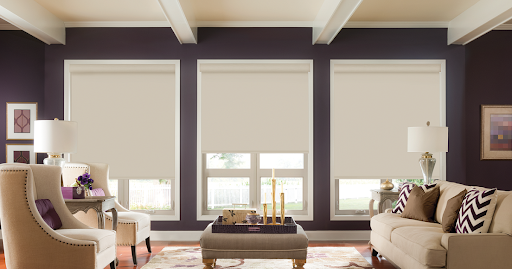
Choosing between blackout and light-filtering shades comes down to a simple question: how do you want the room to feel when the shades are closed? Some rooms need stronger darkness and privacy, while others benefit from soft natural daylight that keeps the space bright and comfortable.
For many Kansas City homeowners, the answer is not the same for every window. Blackout shades may be ideal for a bedroom affected by early morning sun, while light-filtering shades can be a better fit for a living room, dining area, or home office where daylight is part of the appeal. Understanding the differences between blackout vs light filtering shades can help you choose a window treatment based on how the room is actually used instead of selecting fabric by appearance alone.
Rick’s Blinds has been consulting on and installing custom window treatments throughout the Greater Kansas City area since 2001. Its product selection includes cellular, roller, Roman, solar, woven wood, and motorized shades, giving homeowners multiple ways to balance privacy, light control, comfort, and design.
Blackout vs. Light-Filtering Shades: What Is the Main Difference?
The biggest difference between blackout and light-filtering shades is the amount of natural light they are designed to block. Blackout materials are intended for maximum light blockage and privacy, while light-filtering materials soften incoming sunlight without making the room completely dark.
Graber describes its cellular light-filtering fabrics as blocking some sunlight while providing some privacy. Its blackout cellular fabrics are designed to block sunlight while providing complete privacy through the material.
That distinction makes the choice easier when you start with the room’s purpose. If you want a bright room with reduced glare and more privacy, light filtering shades deserve consideration. If you want a darker environment with stronger privacy, blackout window treatments are usually the better starting point.
What Are Blackout Shades?
Blackout shades use opaque materials designed to prevent natural light from passing through the shade fabric. They are commonly chosen for bedrooms, nurseries, media spaces, and other rooms where homeowners want stronger control over outside light.
Blackout does not necessarily mean that every room will become completely dark. Light can still enter around the sides, top, or bottom of a shade depending on the window, mounting style, product, and installation. Graber offers blackout channels for certain roller shade configurations to help reduce light entering around the sides and bottom of the treatment.
For homeowners comparing blackout shades Kansas City options, this is an important detail. The quality of the fabric matters, but measurements and installation can also make a significant difference in the finished result.
What Are Light-Filtering Shades?
Light-filtering shades are designed to soften sunlight rather than eliminate it. They can reduce glare, create a more comfortable level of brightness, and provide privacy while allowing daylight to remain part of the room.
The effect can vary considerably between fabrics. A lighter material may create a bright, softly illuminated space, while darker or denser materials may reduce more sunlight and provide greater privacy. Graber notes that darker light-filtering cellular fabrics may provide more privacy than lighter selections.
This flexibility makes light filtering shades especially useful in rooms that are frequently occupied during daylight hours. Rather than choosing between a fully exposed window and a darkened room, homeowners can use filtered light to create a softer middle ground.
Quick Comparison: Blackout vs. Light-Filtering Shades
| Feature | Blackout Shades | Light-Filtering Shades |
| Natural light | Maximum reduction | Softens and diffuses daylight |
| Privacy | Strong when closed | Varies by fabric and opacity |
| Bedroom use | Excellent for darker rooms | Better when morning light is desired |
| Living room use | Useful for glare or media areas | Excellent for comfortable daytime light |
| Home office use | Can be too dark for some spaces | Helpful for glare reduction and daylight |
| Exterior view | Generally blocked when closed | Usually limited, depending on fabric |
| Room atmosphere | Darker and more enclosed | Brighter and softer |
| Best for | Sleep, media rooms, strong privacy | Everyday living, diffuse light, daytime comfort |
Neither option is automatically better. The right choice depends on the amount of light, privacy, and flexibility you want from a particular window.
Are Blackout Shades Better for Bedrooms?
For many bedrooms, blackout shades are an excellent choice because they reduce outside light at times when darkness is most valuable. Early sunrise, streetlights, exterior security lights, and nearby buildings can all introduce unwanted brightness into a sleeping space.
That makes bedroom window treatments one of the strongest applications for blackout fabrics. They can also be helpful for children’s rooms, guest bedrooms, and people who work evening or overnight schedules and need to sleep during daylight hours.
However, homeowners should decide whether they want the bedroom dark only while sleeping or throughout much of the day. If the bedroom is also used as a reading area, workspace, or daytime retreat, a more flexible configuration may be preferable.
Some cellular shade systems allow different light-control options, including light filtering and blackout. Graber also offers configurations that combine fabrics for greater flexibility, which can help homeowners balance daytime brightness with nighttime privacy.
Are Light-Filtering Shades Private at Night?
Light-filtering shades can provide privacy, but the amount of privacy depends on the fabric. A window treatment that limits visibility during daylight may behave differently after sunset when the room is brightly illuminated from inside.
That is why selecting privacy shades should involve more than evaluating how the fabric looks in a sample book. Bedroom location, proximity to neighboring properties, interior lighting, fabric color, and weave density can all influence how private the room feels after dark.
If nighttime privacy is one of your highest priorities, an opaque or blackout material may provide greater confidence. If daytime brightness matters more, a light-filtering treatment may still be appropriate, particularly in living areas where complete nighttime privacy is less difficult to achieve.
Light-Filtering Shades for Living Rooms and Family Spaces
Living rooms are one of the strongest applications for light-filtering window treatments because these spaces often benefit from natural daylight. Brightness can make a room feel open and welcoming, but uncovered glass may introduce glare, strong sunlight, and unwanted visibility from outside.
Light-filtering fabrics help soften that balance. They can reduce the intensity of direct sunlight while maintaining a comfortable daytime atmosphere, making them practical light control shades for spaces used throughout the day.
They can also complement many interior design styles because custom shades are available in different fabrics, textures, and colors. Rather than competing with furnishings, the shade can become part of the room’s overall palette while continuing to perform a practical function.
What About Home Offices?
A home office usually needs a different approach from a bedroom. Complete darkness may make the workspace uncomfortable, but direct sunlight on a computer screen can produce distracting glare.
Light-filtering shades can be useful because they reduce harsh sunlight while preserving ambient daylight. Depending on the window orientation, homeowners might also consider solar shades or other light-control options when glare and solar exposure are significant concerns.
The best solution should reflect where the desk sits in relation to the window and how sunlight changes throughout the day. Rick’s Blinds will match window treatments to individual customer needs through personalized consultation rather than relying on a one-size-fits-all product recommendation.
Blackout Shades for Media Rooms and Multi-Purpose Spaces
Blackout shades are not limited to bedrooms. Family rooms, entertainment spaces, and rooms with televisions or projection screens may also benefit from stronger control over daylight, especially when windows face intense sun.
Reducing natural light can make screens easier to see and allow homeowners to control the atmosphere of the room more precisely. When the room also needs natural daylight at other times, motorized shades or a flexible shade configuration can make changing between bright and dark conditions easier.
Graber currently offers blackout options across several shade categories, including cellular, roller, and Roman shade configurations. Its broader privacy and light-control collection is designed around choosing different levels of sunlight management rather than treating every window the same way.
Cellular Shades Add Energy Efficiency to the Decision
When comparing blackout vs light filtering shades, opacity is not the only feature worth considering. The construction of the shade can also affect comfort near the window, which is especially relevant in a climate with both warm summers and cold winters.
Cellular shades use a honeycomb structure that traps air and creates an insulating layer at the window. Graber offers cellular fabrics ranging from sheer to blackout, allowing homeowners to combine the insulating structure with the level of light control they prefer.
Consider Window Direction Before Choosing
Window orientation can change which shade feels best in a room. An east-facing bedroom may receive intense early morning sunlight, while a west-facing living space may deal with stronger afternoon light and glare.
For east-facing bedrooms, blackout shades can help reduce early light when sleeping conditions are the main concern. In west-facing rooms, homeowners may prefer stronger light-control options to manage afternoon glare without necessarily keeping the room dark all day.
North-facing rooms often receive softer indirect light, so light-filtering shades may allow homeowners to make better use of the available daylight. South-facing windows can receive substantial sun exposure, making fabric opacity and the room’s use particularly important.
Thinking about orientation prevents the decision from becoming purely decorative. A beautiful shade that does not manage the actual sunlight entering the room may not provide the result the homeowner expected.
Custom Shades Can Improve the Finished Result
One reason to consider custom shades Kansas City homeowners can have measured for their specific windows is fit. Standard-size treatments may leave larger gaps or fail to account for differences in window dimensions, mounting depth, trim, and other architectural details.
This becomes particularly important with blackout applications. If room darkening is the goal, accurate measurements and appropriate mounting can help reduce unwanted light around the edges of the treatment.
Rick’s Blinds provides free in-home consultations and professional installation for custom window treatments. The company can provide a consultation, customization, and installation as part of the services throughout the Greater Kansas City area.
Motorized Shades Make Light Control More Convenient
Motorization continues to be an important window treatment feature because it changes how easily shades can be adjusted throughout the day. Instead of leaving shades in one position because several windows are difficult to reach or inconvenient to operate, homeowners can adjust compatible motorized treatments more easily.
Graber offers motorized shades that can be operated through remotes and compatible smart-home controls. Certain systems can also be incorporated into routines, allowing shades to change position at selected times.
This can be particularly useful when a home uses both blackout window treatments and light-filtering options in different rooms. Morning, afternoon, and evening settings can reflect the way sunlight moves through the home instead of requiring every shade to remain in the same position all day.
How to Decide Between Blackout and Light-Filtering Shades
The easiest way to make the decision is to rank your priorities before looking at colors and fabrics. Think first about darkness, privacy, daylight, glare, comfort, and how frequently the shade will be adjusted.
A practical decision checklist includes:
- Choose blackout when sleeping conditions and strong privacy are the priorities.
- Choose light filtering when you want comfortable natural daylight.
- Consider blackouts for media rooms or spaces affected by exterior lighting.
- Consider light filtering for living rooms, dining areas, and many home offices.
- Evaluate nighttime privacy before choosing a lighter fabric.
- Consider cellular construction when insulation is also important.
- Think about motorization for multiple, large, or hard-to-reach windows.
- Use custom measurements when reducing edge light and improving fit matter.
The final choice does not have to be identical throughout the home. In many cases, the better design strategy is to select different levels of opacity for different rooms while maintaining a coordinated overall appearance.
Frequently Asked Questions About Blackout and Light-Filtering Shades
Which is better, blackout or light-filtering shades?
Neither is better for every room. Blackout shades are generally better when darkness and privacy are the highest priorities, while light-filtering shades are better when homeowners want softer daylight and a brighter daytime environment.
Do light-filtering shades block the view from outside?
They can provide varying levels of privacy, but performance depends on fabric opacity, color, and lighting conditions. Homeowners who need stronger nighttime privacy should evaluate the actual fabric carefully or consider more opaque privacy shades.
Do blackout shades make a room completely dark?
Blackout fabric is designed to block light through the material, but light may still enter around the edges of the shade. Custom fit, mounting choices, and products such as side channels can help reduce those gaps.
Are blackout shades only for bedrooms?
No. Blackout window treatments can also be useful in nurseries, media rooms, entertainment spaces, and other rooms where controlling sunlight or glare is important.
Can cellular shades be light filtering or blackout?
Yes. Graber cellular shades are available in multiple opacity levels, including light filtering and blackout, allowing homeowners to combine honeycomb construction with the amount of light control appropriate for the room.
Find the Right Light Control for Your Kansas City Home
The best choice between blackout and light-filtering shades depends on what you want the window treatment to accomplish. A bedroom that needs darkness, a living room that benefits from natural light, and a home office affected by afternoon glare should not automatically receive the same shade simply for the sake of consistency.
Rick’s Blinds has been serving the Greater Kansas City area since 2001 with custom blinds, shades, shutters, drapery, and motorized window treatments. Its free in-home consultation process allows homeowners to compare materials, opacity levels, colors, operating systems, and custom-fit options in the rooms where those products will actually be used.
Whether you are comparing blackout shades Kansas City, exploring light filtering shades, looking for better bedroom window treatments, or choosing custom shades Kansas City homeowners can match to several rooms, the most effective solution starts with understanding your privacy and light-control needs. Once those priorities are clear, selecting the right fabric, shade style, and operating system becomes much easier.